
Believing is Seeing
How can we have the confidence to believe our own eyes?

Since writers write, and practice is a good thing, sometime in 2015 I began a weekly online writing project. I set out to write and post weekly on Constant Contact in a blog I titled “Dancing with Everything.” My prompt was to write about anything the national news was focused on or anything happening in my personal life that was calling to me, while asking the question, “might this situation involve some aspect of grief? Not surprisingly, I became a much better writer. And, from my research, writing and people’s responses to it, I learned a great deal about both personal and communal grief and their connection in western culture. I learned how people often do not recognize grief in themselves let alone know how to help themselves or their loved ones to navigate it. After years of the weekly blogs and playing with the topic in improvisational communities online and in person, using the expressive arts of InterPlay; singing, dancing, storytelling, I became an advocate for using the arts to grieve. I became convinced that the arts are how our ancestors, from whatever culture, grieved their losses and deepened their communal connections. In May of 2025, these insights and discoveries were condensed into the book, The Art of Grieving: How Art and Art Making Help Us Grieve and Live our Best Lives. In February of 2025, I moved my writing to Substack.
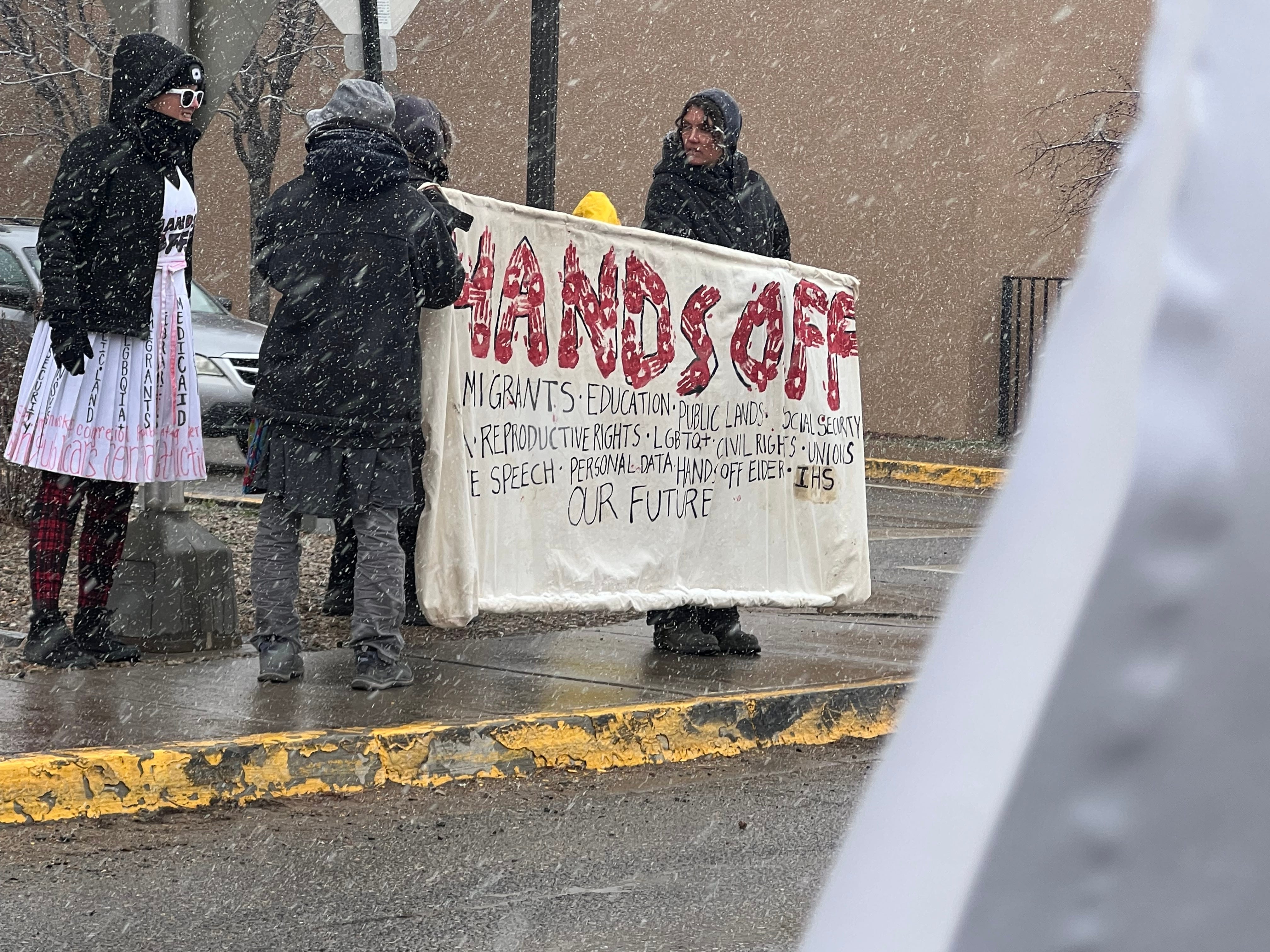
As I’m writing this, two peaceful protesters have been shot and killed in Minneapolis by federal ICE agents whose salaries are being funded through the taxes we pay. Not hard to see this as a moment of extreme individual and collective grief, horrific losses before our eyes that raise many questions. Are these government employees so poorly trained that they are unable to carry out their assignments without behaving in a cruel and instigating manner? Are they being encouraged to behave in such a way as to instill fear in those that resist this armed intrusion into their neighborhoods, and those watching on their screens, so they may demonstrate the raw power they has been given them by an aspiring dictator?
Most viewers are aware that the videotaped segments of ICE employees we see repeatedly on our screens do not show the behavior that Trump, Vance and Kristi Noem repeatedly claim they see ––“domestic terrorists” come to harm the ICE officers and interfere with ICE’s mission of deporting “the worst of the worst.”
Members of the public who see people providing mutual assistance to one another, filming what is happening in the freezing temperatures, elder legal immigrants removed from their homes without proper clothing on, citizen’s accosted, young children separated from parents and family members, all behaviors that would bring city police officers’ sanctions and/or immediate firings.
These conflicting interpretations of the responses to the multiple cell phone videos taken by journalists, protesters, and community members, showing the shootings from various eye-witness positions illustrate what defense lawyers and law enforcement professionals know well – the unreliability of eye-witness testimony. People often see what they want to see or what confirms their firmly established beliefs. As I hear people, including the administrators and politicians, fabricating what they are seeing on the videos, and continuing to drill down on their well rehearsed pronouncements, lines from a song often sung at funerals come to me. “Amazing Grace, how sweet the sound that saved a wretch like me. I once was lost but now, I’m found, was blind but now I see.”
Amazing Grace was written by John Newton, a former slave trader and slave ship captain who became an English Anglican clergyman after a life-threatening experience in a storm. In the song he proclaims his former self a “wretch” and tells the story of his redemption. After his conversion Newton worked into his elder years to pass the British Slave Trade Act in 1807 which abolished the slave trade in that global empire.
To the parents and family of Alex and Renee–As a parent who has lost two adult children, and lived long enough to see the good that sometimes comes from tremendous loss––May the tragic death of your children. filmed by many who cared deeply about their welfare be the catalyst for the “blind” citizens of our nation to see the truth. To believe what their eyes are telling them, and respond accordingly.